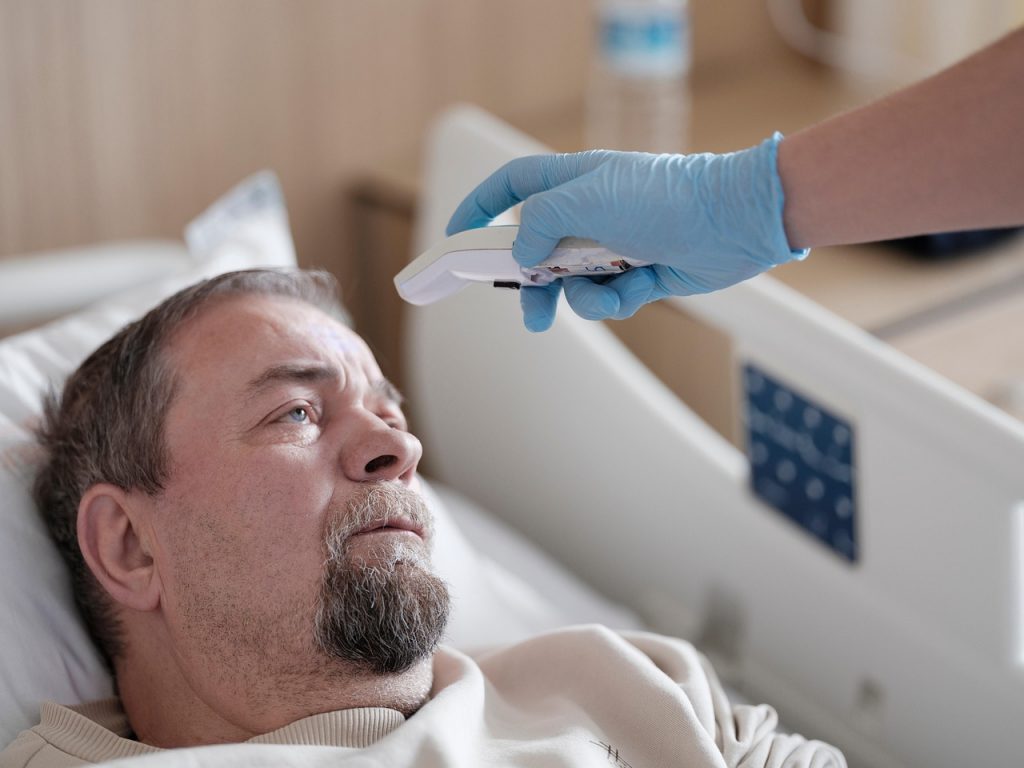

- Sweating regulates temperature—not toxins. Perspiration helps cool your body but does not remove viruses, bacteria, or “impurities.”
- Forcing a sweat can slow recovery. Exercise, saunas, or heavy blankets during illness increase dehydration and electrolyte loss.
- Use the “neck rule.” Mild symptoms above the neck may allow gentle movement; symptoms below the neck require rest.
- Fever is part of immune defense. Elevated body temperature helps suppress pathogen replication.
- Hydration matters more than heat. Fever-related sweating dramatically increases fluid and mineral needs.
Introduction: The Age-Old Sick Day Debate
It’s a familiar scene across Memphis and the Mid-South every winter. You wake up with a scratchy throat, mild chills, or body fatigue, and the advice comes quickly: bundle up, drink something hot, and sweat it out. The idea is so deeply ingrained that many people rarely stop to ask whether it actually works.
The belief that sweating helps “flush out” illness has been passed down for generations. It feels logical on the surface. Sweating often follows the end of a fever, and people tend to feel better afterward. That timing, however, has fueled a widespread misunderstanding of cause and effect.
From a public health perspective, the question “is it good to sweat when sick?” matters more than it seems. The average adult catches two to three viral infections each year, and in warm, humid regions like Memphis, illness-related dehydration is more common than many realize. Clinical data consistently shows that overexertion during fever is a frequent reason for non-emergency dehydration visits, particularly among adults who continue normal workouts or use heat exposure while ill.
Despite this, surveys indicate that nearly 70% of people believe physical exertion or heat speeds up recovery from colds or flu-like illnesses. That gap between belief and biology is one reason health myths persist.
This topic is also a key part of our broader resource, Health Myths: The 2026 Fact-Checking Guide, which examines how traditional advice, fitness culture, and social media trends often conflict with modern medical evidence. Understanding what sweating actually does—and what it doesn’t—helps shift health decisions from folklore to preventive care grounded in science.
In this guide, we’ll explore how fevers work, why forced perspiration can backfire, when light movement may be appropriate, and what actually helps your immune system recover efficiently.
1. The Biology of a Fever: Why Your Body Heats Up
The Hypothalamus: Your Body’s Thermostat
At the center of fever regulation is the hypothalamus, a small but powerful region of the brain that controls body temperature. Under normal conditions, it keeps your core temperature around 98.6°F (37°C). When an infection enters the body, immune cells release substances called pyrogens.
Pyrogens signal the hypothalamus to raise the body’s temperature set point. This is not an accident or malfunction—it’s a deliberate immune response. Once the set point rises, your body feels cold even if your actual temperature is increasing. That’s why chills often precede a fever.
To meet this new set point, the body conserves heat by narrowing blood vessels in the skin and increasing muscle activity (shivering). Sweating is suppressed during this phase because heat loss would counteract the immune strategy.
Pathogens and Heat: An Inhospitable Environment
Many viruses and bacteria replicate best at normal body temperatures. Even a modest increase in temperature can slow viral replication, reduce bacterial efficiency, and enhance certain immune cell functions.
Research shows that elevated temperatures can:
- Improve white blood cell mobility
- Increase interferon activity
- Reduce viral replication efficiency
In other words, fever is not the enemy—it’s part of the defense system.
The Difference Between “Breaking a Fever” and “Forcing a Sweat”
This is where confusion often begins. Sweating usually happens after the fever breaks, not while it is actively rising. When the immune system gains the upper hand, pyrogen levels drop. The hypothalamus resets the temperature back to normal.
Now the body feels overheated relative to the new set point, triggering vasodilation and sweating to release excess heat. The sweat signals recovery is underway—it does not cause the recovery itself.
Forcing perspiration through exercise, saunas, or excessive blankets interferes with this natural sequence and places additional stress on a body already managing an immune challenge.
2. The Myth of “Sweating Out” Toxins
What Is Actually in Your Sweat?
One of the most persistent health myths is that sweat carries toxins out of the body. In reality, sweat is approximately 99% water. The remaining 1% consists mainly of sodium, chloride, potassium, and trace amounts of urea and proteins.
Importantly:
- Sweat does not contain viruses or bacteria in meaningful amounts
- It does not remove metabolic waste efficiently
- It does not detoxify the bloodstream
Any trace compounds found in sweat are incidental, not a primary elimination pathway.
The Liver and Kidneys: The Real Detox Team
Detoxification is handled almost entirely by the liver and kidneys. The liver neutralizes harmful substances and breaks them down into forms the body can eliminate. The kidneys filter blood and excrete waste through urine.
The lungs also play a role by removing carbon dioxide. Sweat glands are designed for temperature regulation, not filtration.
Believing that sweat replaces these organs oversimplifies a highly complex and efficient biological system.
Why Forced Perspiration Can Backfire
Sweating requires energy. Producing sweat, increasing heart rate, and maintaining circulation all increase metabolic demand. When you’re sick, that energy is better allocated to immune processes like antibody production and tissue repair.
Forced sweating also accelerates:
- Fluid loss
- Sodium depletion
- Potassium imbalance
These losses can lead to fatigue, dizziness, muscle weakness, and delayed recovery—especially if hydration isn’t actively managed.
3. When Is It Safe to Break a Sweat? The “Neck Rule”
The “Above the Neck” Guidelines
The neck rule is a practical framework often referenced in sports medicine and preventive care. If symptoms are limited to areas above the neck, such as:
- Runny or stuffy nose
- Sneezing
- Mild sore throat
- Sinus pressure
…then light activity like walking or gentle stretching may be acceptable, provided there is no fever and energy levels are stable.
Even then, intensity should be reduced significantly, and activity should stop at the first sign of fatigue.
The “Below the Neck” Red Flags
Symptoms below the neck signal systemic involvement and require rest. These include:
- Fever or chills
- Chest congestion or deep cough
- Muscle aches or joint pain
- Gastrointestinal symptoms
- Shortness of breath
Exercising under these conditions increases the risk of complications, including prolonged illness and cardiovascular strain.
Fever: The Ultimate Stop Sign
A fever is a clear signal that the immune system is actively engaged. During this time, fitness goals must take a back seat to recovery. Attempting to sweat through exercise or heat exposure adds unnecessary stress to the heart and circulatory system.
In preventive care terms, a fever is not a challenge to overcome—it’s a biological instruction to rest.
4. Heat Therapy and Illness: Saunas, Hot Baths, and Blankets

Saunas and the Immune System: What the 2026 Research Says
Regular sauna use has been associated with long-term wellness benefits in healthy individuals. However, this does not translate to using saunas during an active infection.
Heat exposure can be beneficial before illness as part of general wellness routines. During illness, it increases dehydration risk and can worsen cardiovascular strain.
The Dangers of Dehydration in the Mid-South Climate
Memphis’ humid climate complicates thermoregulation. High humidity slows sweat evaporation, meaning the body retains more heat while continuing to lose fluids.
This combination raises the risk of:
- Overheating
- Electrolyte imbalance
- Prolonged fatigue
Safe Alternatives to Heat Exposure
- Warm showers can help relieve nasal congestion
- Light blankets for comfort—not overheating
- Room humidity control to ease breathing
Hot baths and prolonged heat exposure should be avoided during fevers.
5. Recovery Protocols: Better Ways to Help Your Body
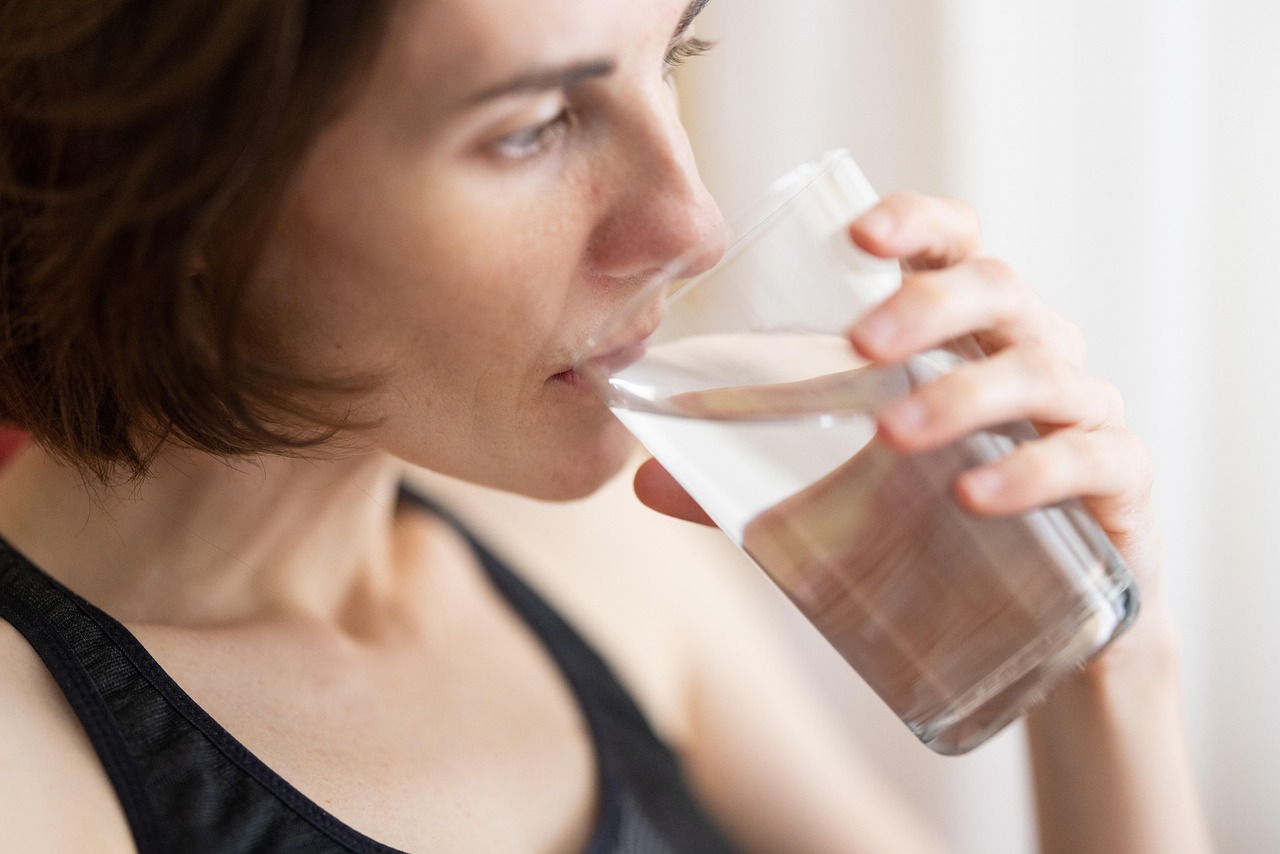
Active Hydration and Electrolyte Management
When fever-related sweating occurs naturally, fluid and mineral needs increase significantly. Effective hydration includes:
- Water plus sodium
- Potassium-rich foods
- Magnesium from dietary sources
Plain water alone may not be sufficient during prolonged sweating.
The Role of Rest in Immune Signaling
Sleep is one of the most powerful immune enhancers. During deep sleep:
- T-cells regenerate
- Cytokine signaling improves
- Inflammation is regulated
Chronic sleep disruption can extend illness duration.
Returning to Fitness After Being Sick
A common evidence-based approach is the 2-for-1 rule:
For every day you have a fever, allow two days of light activity before resuming full training intensity.
This reduces relapse risk and supports long-term fitness sustainability.
Conclusion: Prioritizing Science Over Folklore
The idea of sweating out an illness is deeply rooted in cultural tradition and “grit” mentality. But science tells a different story. Sweating is a sign of recovery—not a tool to force it.
When you’re sick, especially with a fever, your body is already working at maximum capacity. Adding exercise or heat exposure increases dehydration risk and diverts energy away from immune function.
Debunking myths like this is central to our broader resource, Health Myths: The 2026 Fact-Checking Guide. Evidence-based preventive care doesn’t mean ignoring tradition—it means understanding when it no longer applies.
By respecting biological limits, prioritizing rest, and supporting recovery through hydration and sleep, you protect both your short-term health and long-term fitness.
Evidence-Backed Takeaways from Trusted Medical Sources
To ground this discussion in widely accepted medical guidance, it’s helpful to look at how leading health organizations interpret fever, exercise, and sweating during illness. While each source approaches the topic from a different angle, their conclusions align closely.
- Mayo Clinic emphasizes that fever itself is usually a beneficial immune response, not something that must be eliminated immediately. Their guidance consistently notes that aggressive attempts to suppress or “break” a fever—especially without medical necessity—can interfere with the body’s natural recovery process.
- Cleveland Clinic provides clear, practical advice on physical activity during illness, reinforcing the idea behind the “neck rule.” Their recommendations support light movement only when symptoms are mild and strictly caution against exercise when fever, chest symptoms, or systemic fatigue are present.
- WebMD addresses the long-standing belief that you can “sweat out” a cold or flu, clarifying that sweat does not remove viruses or toxins. Their educational content highlights dehydration risk as the primary concern when people intentionally try to induce sweating while sick.
- University of Tennessee Health Science Center (UTHSC), through its public health and wellness education resources, consistently underscores hydration, rest, and environmental awareness—particularly important in humid regions like the Mid-South—when managing illness and recovery.
Taken together, these sources reinforce a single evidence-based message: sweating is a byproduct of recovery, not a treatment for illness. Supporting the immune system through rest, hydration, and temperature regulation aligns far more closely with modern preventive care than forcing perspiration.
Frequently Asked Questions (FAQs)
1. Is sweating a sign that an illness is leaving the body?
Sweating often occurs after a fever begins to resolve, not because the illness is being expelled. It reflects the body lowering its temperature as the immune response stabilizes, rather than actively removing pathogens.
2. Can exercising while sick shorten the duration of a cold?
There is no evidence that exercise shortens viral illness duration. In cases involving fever, chest symptoms, or fatigue, physical exertion may delay recovery by increasing dehydration and metabolic stress.
3. Why do people feel better after sweating during a fever?
Relief usually comes from the fever breaking naturally, not from the sweating itself. Once the body resets its temperature, discomfort decreases, which can be mistakenly attributed to perspiration.
4. Does sweating help remove toxins or viruses from the body?
No. Viral particles and metabolic waste are processed through immune activity, liver metabolism, and kidney filtration—not through sweat glands, which primarily regulate temperature.
5. Is it dangerous to use heat therapies like saunas when sick?
Heat exposure during active illness can raise core temperature and increase fluid loss, particularly in humid environments. This may worsen symptoms rather than support recovery.
6. What actually helps recovery when you have a fever?
Rest, adequate sleep, and maintaining fluid and electrolyte balance support immune signaling and temperature regulation more effectively than forced sweating or continued physical activity.